
How to Make Your Freestyle More Propulsive

Contributed by Bill Paine, Tech Masters (MIT)

For years, I have observed that many swim articles that turn the spotlight towards freestyle "technique" leave me with an unclear picture of what the "latest and greatest" contemporary wisdom is for this stroke. Especially the pulling motion! It seems that when anyone writes about the physics part of the stroke or other technical mechanics, things just get confusing. Then there are the videos. Sometimes they are shot so that all you see are blurry side-views that really don’t show you the actual arm pull. I’ve concluded, with regard to freestyle, that the pulling motion is one of swimming’s best-kept secrets.  

In November 2016, 4-time Olympian and noted author, Sheila Taormina, delivered an enthusiastic, laughter infused, and extremely insightful presentation to 150 coaches at the National Coaches Clinic held in beautiful San Mateo, CA. Taormina confessed that this was her first time talking about the stroke to a group of masters' coaches.  

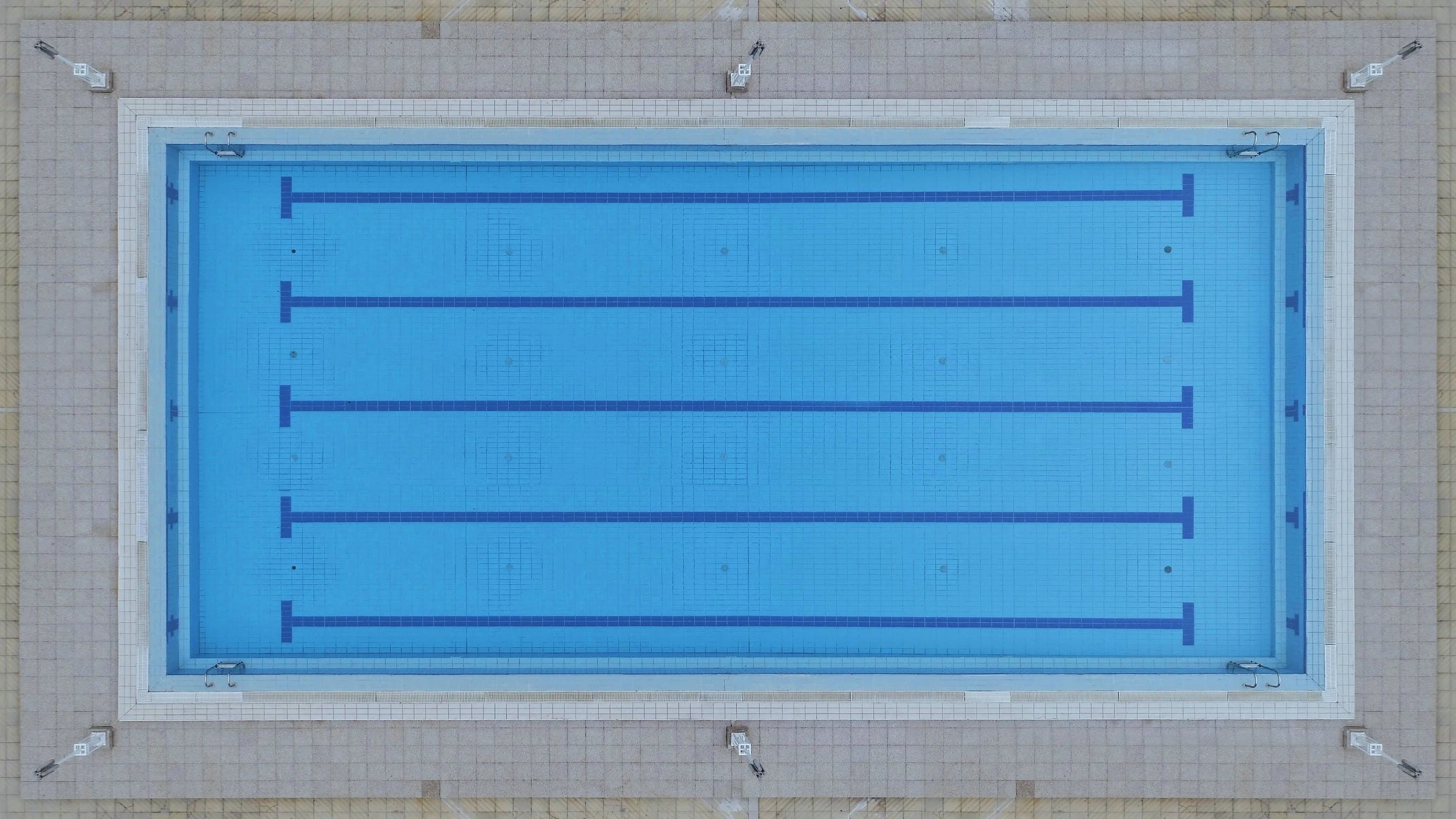
Taormina’s session was called “Beyond Mechanics: Coaching a Propulsive Freestyle Stroke” and focused on the power generated from what happens underwater. For this article, I’d like to zero in on the arm entry and pulling motion. Of course, I have come to realize that it is much easier to demonstrate these mechanics on deck with my swimmers from Tech Masters (MIT), but for today, I’ll do my best to describe some key areas that Taormina highlighted, and offer my own words and descriptions to help you get started on improving your technique. And just so visualizing this is a bit easier, try to think of lying on your belly on the pool deck, and think of all the small tiles underneath you as if they were lines on a piece of graph paper.    

Let’s start with hand entry: 

The older and outdated method involved your hand landing in front of your head (fingers first), then tracking to a target that would be your centerline (think straight out in front of the center of your skull). The newer method suggests that your hand enters the water, fingers first, and moves forward and targets a spot that is in alignment with the width of your shoulders. As the arm is extended and the hand starts to "catch" water, the elbow pops up a bit, allowing the hand, wrist, forearm, and even other parts of the arm to become, in essence, a bigger paddle, thus giving you a bigger surface area, and for simpleminded folks (like myself), a bigger pull. Sometimes this is referred to as a "high elbow catch." This bigger "paddle" gets you more resistance and traction during the pull, which needs to move you forward down the lane. Don’t make the mistake of focusing on the "hand" pull because the pulling motion is bigger, so think of it as an "arm" pull.   

As the hand/arm creates resistance and the pulling motion begins, the hand/arm starts to track in an outward direction. Remember the right arm tracks out toward the lane line on your right. The left arm tracks out to the lane line on your left. I sometimes tell my swimmers to think of the arm pull motion as being similar to a small "question mark." This is significant, because some coaches and swimmers like to think of the pulling motion as a straight arm pull, but Taormina thinks differently.  After the catch and the elbow popping up a bit, your hand should track outward toward the lane line. This can be between 4 and 8 inches, or about one to two hand-widths.      

Elbow position is key when learning this technique: 

As the pulling motion begins, the hand/arm tracks outward. Now, right around the time the arm crosses, let’s say, the chin line, the arm starts to track inward toward the body. For some swimmers, in the old stroke, your hand and arm would move towards your centerline, which would be the middle of your chest, and then push backwards. But with the new propulsive freestyle stroke described by Taormina, your arm tracks in toward your body but not nearly as far -- only to a line that would be equivalent to your shoulder line. I know this is confusing, so visualize this: draw an imaginary line that would go from your nipple (can I say nipple?) to your feet. The arm never crosses this boundary during the pulling motion.  

The last area of the pull to discuss is the "finish." For me, I used to tell my swimmers that your hand should pull as far back to where the coins would be in your pockets (if you were wearing slacks). This way, you would have big long finishing strokes, especially for distance swimmers. However, with the newer propulsive freestyle stroke, pretend you are wearing blue jeans, and put your fingers in that weird tiny pocket that is above the regular pocket. Taormina suggests that when your hand reaches this area, you end the pulling motion and finish phase. Next your hand exits the water and you begin the recovery stage.  

Of course, learning to have a propulsive freestyle stroke involves many items and details, i.e., moving body parts, rotation, kicking, an open mind, and more! If you are looking for more info, you might want to read Swim Speed Secrets for Swimmers and Triathletes by Sheila Taormina. Gaining a better picture and understanding of what is happening during the pulling motion can make a big difference in your freestyle. 

Last point:  

Getting advice from a 4-time Olympian as she unravels the mystery is a great start. And make no mistake – Sheila Taormina is letting the best kept secrets out of the bag!
6th Annual Monumental Masters Swim Meet Recap

Contributed by Mike Leake

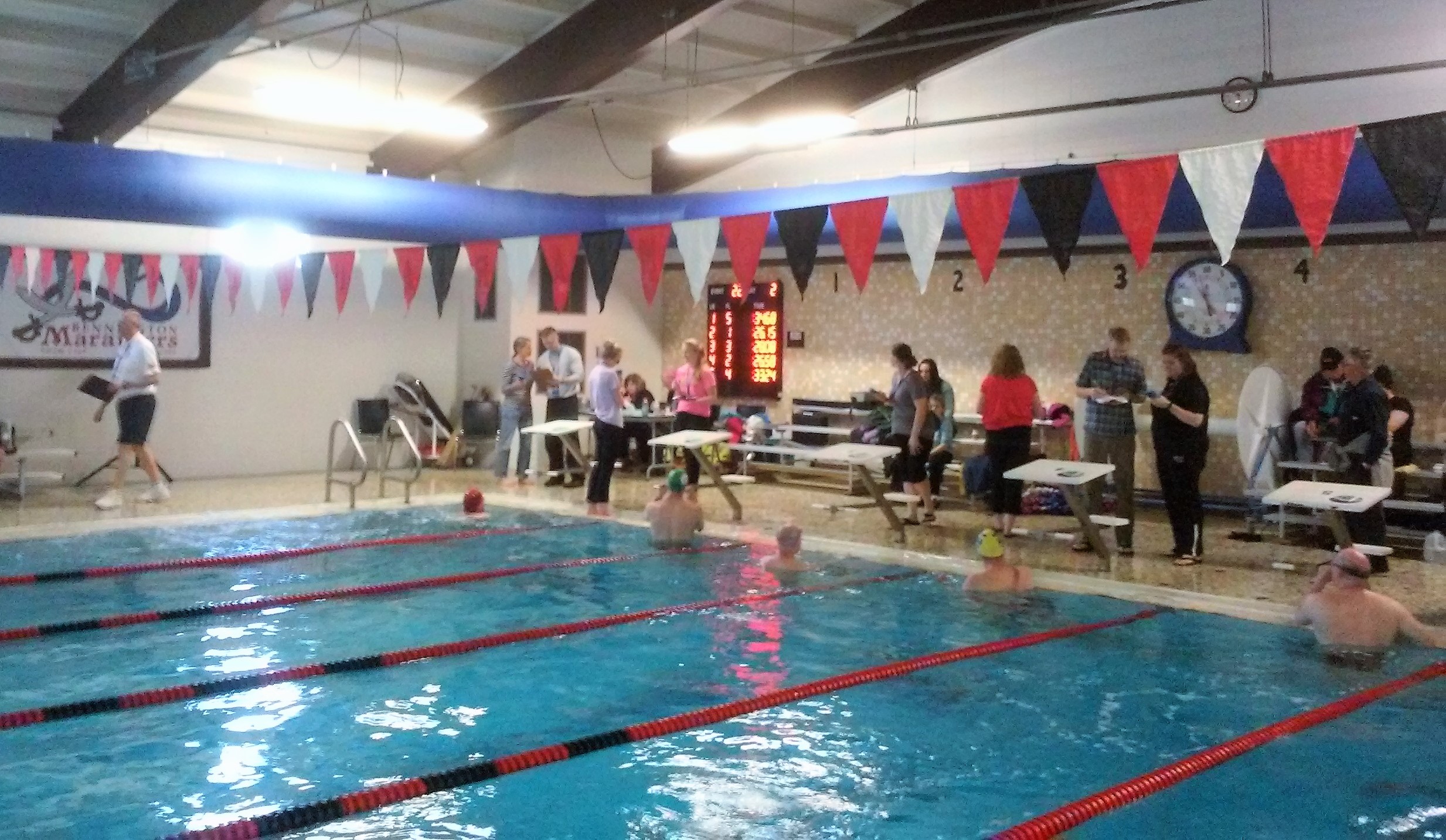
BENNINGTON, VT -- Amid light snowfall and Vermont Maple Weekend, 30 swimmers and their supporters came together on Saturday, March 25, at the Bennington Recreation Center for the 6th Annual Monumental Masters Swim Meet. Swimmers of all abilities enjoyed a fun morning of easy-going competition and encouragement. The proceeds of the event benefited the Bennington Marauders swim team, which provides youth swimming in southwestern Vermont. 

This year, folks traveled from as far away as New Jersey and Niagara Falls, NY, with many of our aquatic neighbors from the Adirondacks making the shorter drive to attend. Western Massachusetts was also well represented, with swimmers from Williamstown, the Pittsfield Polar Bears, and the Simon's Rock Pace Makers competing for the day. All who came were able to take home free U.S. Masters Swimming caps and stickers as well as some fun giveaways, including stroopwafels from Bakkerij Krijnen and maple syrup from Dunn's Leak-ee Bucket Sugar House.

Swimming for the first time with host team Monument Masters were Eric Florio and Tim Russell. Returning to the pool again were Amanda Robson, Carol Newell, Matt Moon, Gabrielle Betit-Mattison, and Rebecca Healy. Siblings Jeff, Jill, and Mike Leake were joined by Kevin Murphy in the Monumental streak of swimming in every installment of the meet so far. 

With fun events that included the Tarzan Swim and Monument Kick Sprints in addition to relays, excitement is building for our next installment in the spring of 2018!  

NE-LMSC Coach Scholarship Winners present: Flip Turn Clinic #2

REGISTER

Join NE-LMSC Coaches Todd Whitford and Crystie McGrail for a flip turn clinic on Sunday, March 5th in Dover, NH.  

The clinic will be broken into two sections - Novice Flip Turns for those who don't consistently use flip turns in workouts and Advanced Flip Turns for those who are looking for feedback and a tune up for their flip turns. The Advanced section will also review and practice the backstroke to breaststroke cross-over flip turn.  

Registration is required for this event as spots are limited. Cost is the $7 pool drop in fee.  

Check-In for the clinic will begin at 8:30 AM and we will be in the water from 9:00 AM to 10:00 AM.  Immediately following the clinic participants are invited to join a one hour workout with Great Bay Masters Swimming Club from 10:00 AM to 11:00 AM. 

This clinic is brought to you as part of the NE-LMSC scholarship initiative to support New England coaches attending the USMS National Coaches Clinic this past fall.

Questions: necoaches@usms.org 

First Annual MDI YMCA Masters Meet Draws a Crowd

Contributed by Tim Lecrone, NE-LMSC Registrar

Results

A great time was had by all at the Mount Desert Island YMCA First Annual Masters Meet on January 29. With over forty participants, the meet was a resounding success, including many new facing in addition to the regulars - clearly it was difficult to resist the scenic drive on Route 1 to have the chance to compete in unexplored masters waters. Many participants also took the opportunity to make a weekend of it by staying on the island and taking advantage of the amazing, off-season rates. A huge thanks goes out to Mark Schoon, Jim Willis, and the rest of the staff for holding such an excellent, well run meet, and we look forward to next year to do it all again!

Two NE-LMSC Relay Records Broken at Exeter Meet

RESULTS

Contributed by Sue Jensen, NE-LMSC Officials Chair

The 65+ men’s relay team of Fred Schlicher, Dan Epstein, Jay Jones, and Rob Schiller shattered two long-standing New England relay records at the Exeter mini meet this weekend in Exeter, New Hampshire. First, the quartet finished the 200 medley relay in 2:09.56, breaking the 2013 record of 2:15.87. They continued with the 200 freestyle relay, besting the 2010 record of 1:59.76 with a time of 1:53.89. The foursome train together at Charles River Masters.

Way to go and congratulations Fred, Dan, Jay and Rob!

Rob, Jay, Dan, and Fred after a record-setting swim

Competition Etiquette... "Competiquette"

Contributed by Crystie McGrail, NE-LMSC Coaches Chair

A few notes on the “lay of the land” for the racing waters we inhabit.

New England does meets like no other. We have two of the biggest, fastest, bestest (that's a word, right?) championship meets every single year. On top of that, we have multitudes of fun mini meets of all styles and a slew of open water events for the truly crazy folks. 

With this many events it’s often evident that a few folks didn’t quite get the memo on the etiquette surrounding some of the rules and common practices of Masters competition. As such, I was enlisted to write a quick article sharing some of the taboo things that happen at swim meets. 

The most common issues surround the enigmatic meet warmup, and that is what this article will focus on.   

Just kidding! Let's help each other out!

WarmUp TaDas and TaDon’ts


NO DIVING  

There are only two instances when it is okay to dive in the pool during a competition - the first is when the starter beeps, signaling the beginning of your race (don’t miss that one; it’s important) and the second time is when the officials have opened specific lanes for sprints.  

Two key words in that sentence are officials and specific. If you are unsure if a lane is a sprint lane, ASK! They may look all official and scary in their pristine white shirts hovering about your lane like sharks… no wait, these are masters meets - they are likely lounging in a chair nearby chatting with other swimmers to catch up on the kids and family.  


SPRINT LANES are for sprinting

If you see a completely empty lane during a fairly busy warm up, it is safe to say that it’s probably not some Utopian turn of fate to allow you a perfect warm up - it’s a sprint lane. ASK an official if it’s a sprint lane and if it is - please don’t get in and start doing your normal laps. Sprint lanes only happen during the last 15-20 minutes of a warm up and are usually announced. 

A note about “sprinting”: The definition of sprinting is moving at full speed. Always respect that each individual's “full speed” is very different. You can do this by observing the lane you are going to sprint in to make sure that those before you have the opportunity to finish their sprint as they wish without being impeded. 


NO PADDLES 

Leave ‘em at home. No one wants to be whacked with your paddles in the middle of a frenetic warm up pool. Oh, and this is actually in the rulebook - no paddles.  


ON YOUR LEFT

Much like life, swimming depends on a lot of non-verbal communication. We can’t very well yell out “ON YOUR LEFT” underwater when passing someone like runners do (though most of us probably wish we could). Make sure you pick up the clues and follow the general rule of thumb that passing happens on the left (similar to driving).  

And don’t hang out in the middle of the lane. If you’re at the wall, stopping in the middle is always bad news; stay to the right if you are stopping.  


KNOW WHEN WARMUP ENDS

There is nothing worse than the highly responsible first heat of the meet standing cold and ready behind the blocks, waiting to race, while the officials or meet directors chase up and down the pool trying to clear that last person (or few people) out of the competition pool. Respect your fellow swimmers and clear the pool at the scheduled time. Don’t know what time it is? ASK.

Lastly…

BE FRIENDLY 

99.8% of masters swimmers are super friendly. Be one of them. Many of the notes above say “ASK” because at a Masters meet you will be instantly surrounded with some of the best people in the universe and they are extremely helpful. Don’t feel bad asking questions; it’s a great way to make new friends!  

Got questions, comments, or criticisms?  Track me down at a swim meet and tell me!  Or I guess you could email me: NEcoaches@usms.org

NE-LMSC Coach Scholarship Winners present: Flip Turn Clinic

REGISTER

Join NE-LMSC Coaches Todd Whitford and Crystie McGrail for a flip turn clinic on Sunday, February 12th in Dover, NH.  

The clinic will be broken into two sections- Novice Flip Turns for those who don't consistently use flip turns in workouts and Advanced Flip Turns for those who are looking for feedback and a tune up for their flip turns. The Advanced section will also review and practice the backstroke to breaststroke cross-over flip turn.  

Registration is required for this event as spots are limited. Cost is the $7 pool drop in fee.  

Check-In for the clinic will begin at 8:30 AM and we will be in the water from 9:00 AM to 10:00 AM.  Immediately following the clinic participants are invited to join a one hour workout with Great Bay Masters Swimming Club from 10:00 AM to 11:00 AM. 

If you don't get a spot in this clinic - don't worry - we will run it again on March 5th.  

This clinic is brought to you as part of the NE-LMSC scholarship initiative to support New England coaches attending the USMS National Coaches Clinic this past fall.

Questions: necoaches@usms.org 

NE-LMSC wins USMS Early Renewal Contest & Stroke Development Clinic!!

CONGRATULATIONS and THANK YOU for helping us win the USMS LMSC Renewal Contest. Our 57% early renewal percentage between Nov 1 and Dec 31, 2016 was the highest among all Tier 1 LMSCs nationwide (1500+ members). Our reward is an additional USMS Stroke Development Clinic in New England in 2017. Kudos to the MIDDLEBURY MUFFINTOPS for early renewal of 84.8% of its members -- 4th nationwide among USMS-registered teams (clubs & workout groups) with 30-74 members.

- Douglas Sayles, NE-LMSC Chair

Masters Coach Needed in Brookline, MA

Swim Coach // Town of Brookline - Brookline, MA // Part-time

Looking for part-time swim coach to lead small group of Masters swimmers. Must have previous experience coaching adults, be knowledgeable and interested in providing feedback, assigning drills and technique work and helping athletes reach their goals. The group is currently comprised of swimmers with a variety of interests, ranging from general fitness, to triathlons and open water events.

Group meets three times a week, Monday, Wednesday and Friday from 6:15 - 7:30 am, at the Evelyn Kirrane Aquatics Center in Brookline. The EKAC is an indoor, three pool public facility, with a six-lane 25 yard lap pool, a 12 ft deep diving well and a lesson pool. We are located steps from the Brookline Hills Green line stop, right next to the high school.

Qualifications:

  • Minimum 1-2 year coaching experience, preferably at the Collegiate or Masters level
  • Certified Masters Swimming Coach preferred but not required
  • Experience coaching triathletes or open water swimmers preferred but not required
  • Available to attend meets or events, if needed
  • High School Diploma or equivalent, Bachelor's degree preferred

Start date: 1/23/17, open until filled. Pay starts at $20/hr.

Please email resume and three references.